
Blockchain security is the risk management procedure or security system that is put in place to protect a blockchain network from online threat actors. Blockchain security uses a combination of cybersecurity best practices, tested frameworks and technical assurances to protect against fraud and cyberattacks.
Since the advent of Bitcoin, blockchain technology has fast become a new kind of normal in today’s societies. Known, originally, for its role in cryptocurrency circles as the distributed ledger technology that allowed decentralized trade and verification (without an institutional 3rd party, so to speak), today, there are numerous different blockchain networks supporting various currencies and digital services around the world. From banking and healthcare to supply chains and traceability, blockchains play an increasingly integral role in our daily lives.
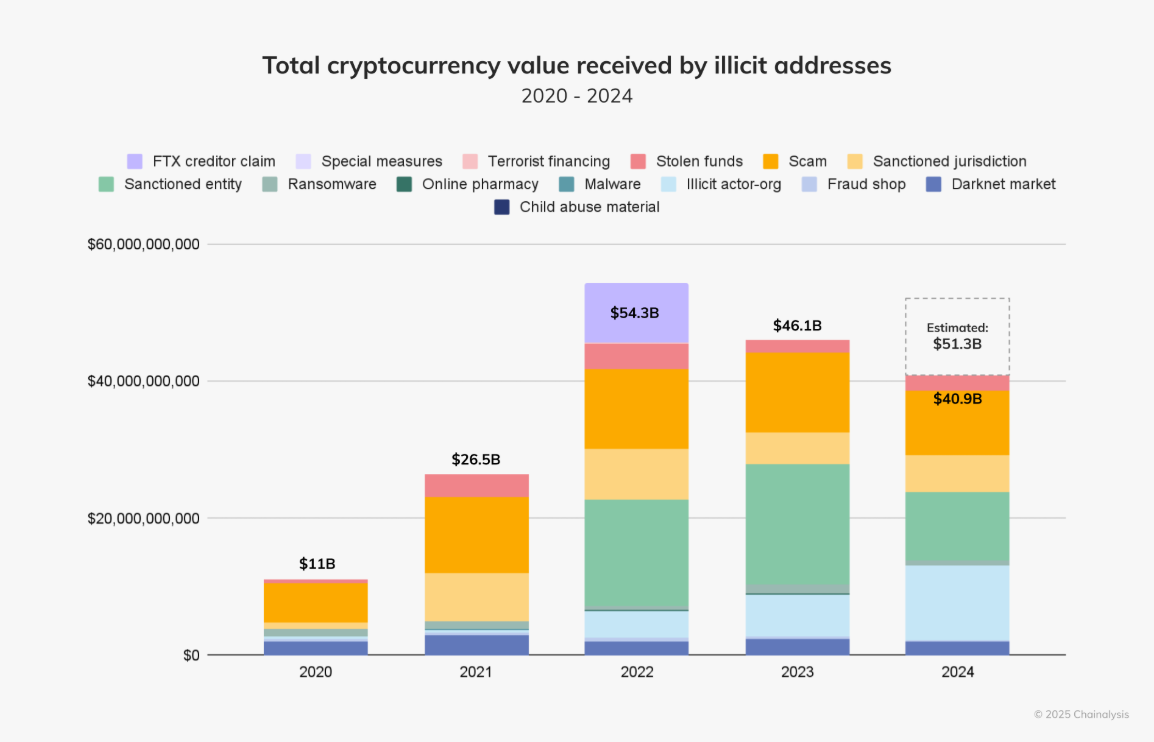 As a consequence, it’s becoming equally important to understand what kinds of blockchains are out there and, most importantly, how they are secured. That’s why we’ve written this guide to the blockchain and its security. Read on to discover what it is, the different types that exist today, how secure they are, what cybersecurity protocols should be considered when engaging with a blockchain, and what attacks are common to blockchain networks.
Blockchain Definition
In essence, a blockchain can be defined as a distributed database (known as a ledger) that is shared between different computer users. The data in a blockchain is structured into blocks, connected together by a cryptographic chain. When a transaction or bundle of transactions (in the form of a new data block) is added to the blockchain, the block is then validated and agreed upon by a consensus mechanism (sometimes known as a PoW or proof of work). The consensus mechanism involves the collective participation of some of the members (known as nodes) across the distributed network. In Bitcoin (and other cryptocurrencies) this is done through the process of “mining” and “hashing”, which involves significant computing power. As a result of the above, distributed ledger technologies (DLTs) cannot be changed by a single person on the network. Thus, there is no single point of failure and any risk is distributed.
Now you understand the blockchain, let’s examine the different types of blockchain that are out there.
Types of Blockchains
Blockchains differ primarily in who can and can’t participate and access the data in their networks. Largely speaking there are two main types of blockchains:
Public Blockchains
Public blockchain networks (sometimes known as an open or permissionless blockchain network) are open to anyone to join, with all of the members (who usually remain anonymous) being able to validate transactions if they choose to. Public blockchains validate transactions via public keys, using computers that are connected to the internet. These public cryptographic keys are the primary way of identifying and accessing data on this type of network.
Private Blockchains
Private blockchains require membership and identifying information to access the network’s data. For this reason, private blockchains are known as permissioned blockchain networks and they achieve consensus through a mechanism known as selective endorsement (where only certain members of the network are permitted to verify transactions from within, often using special permissions to access the network’s distributed ledger to do this). Often, private blockchain networks consist of known and trusted entities and organizations.
Hybrid Blockchain
In essence, a hybrid blockchain is a mix of private and public blockchains that are interoperable. They are designed to leverage the advantages of the two main types of blockchains that are used today.
How Secure is Blockchain?
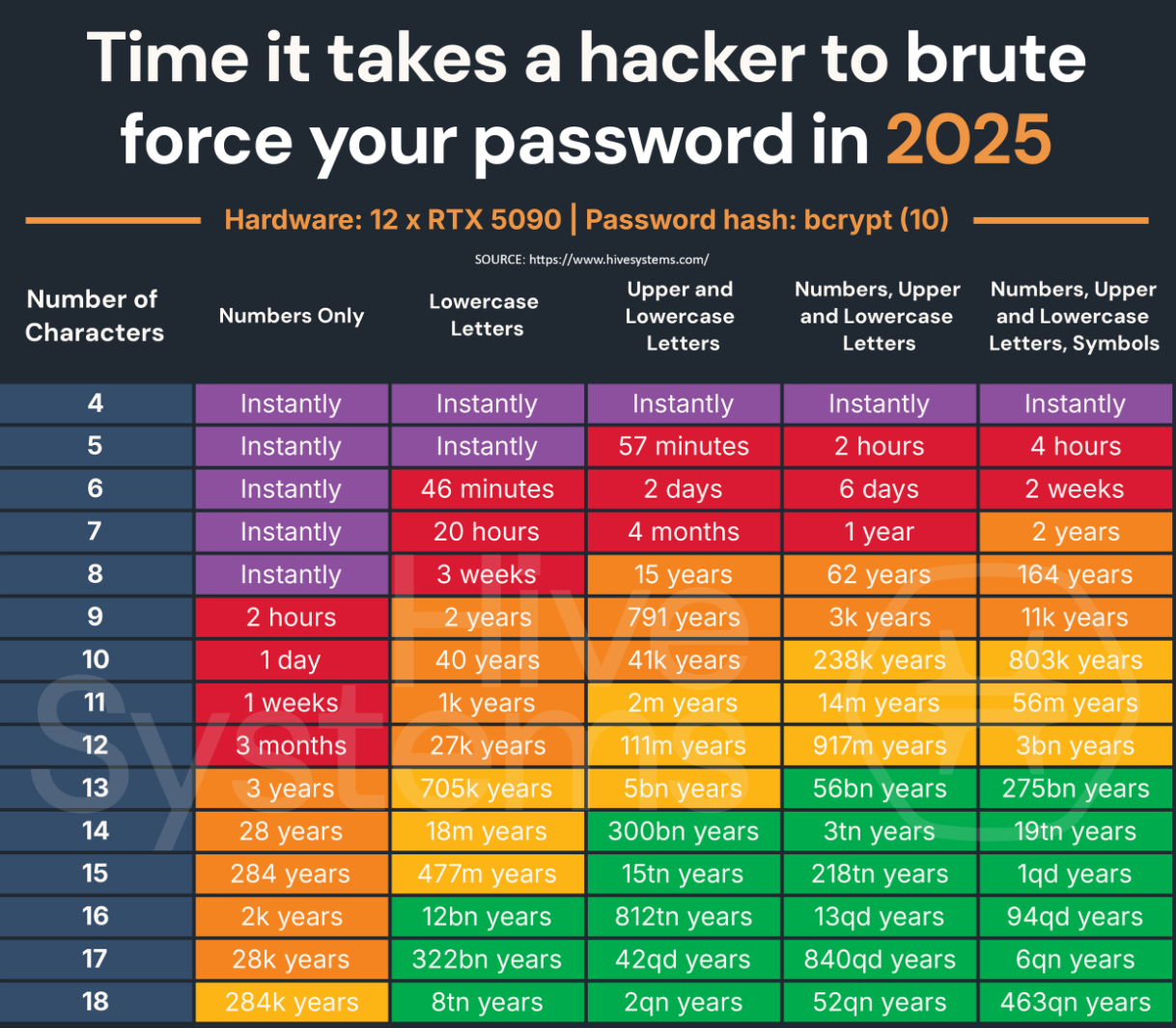
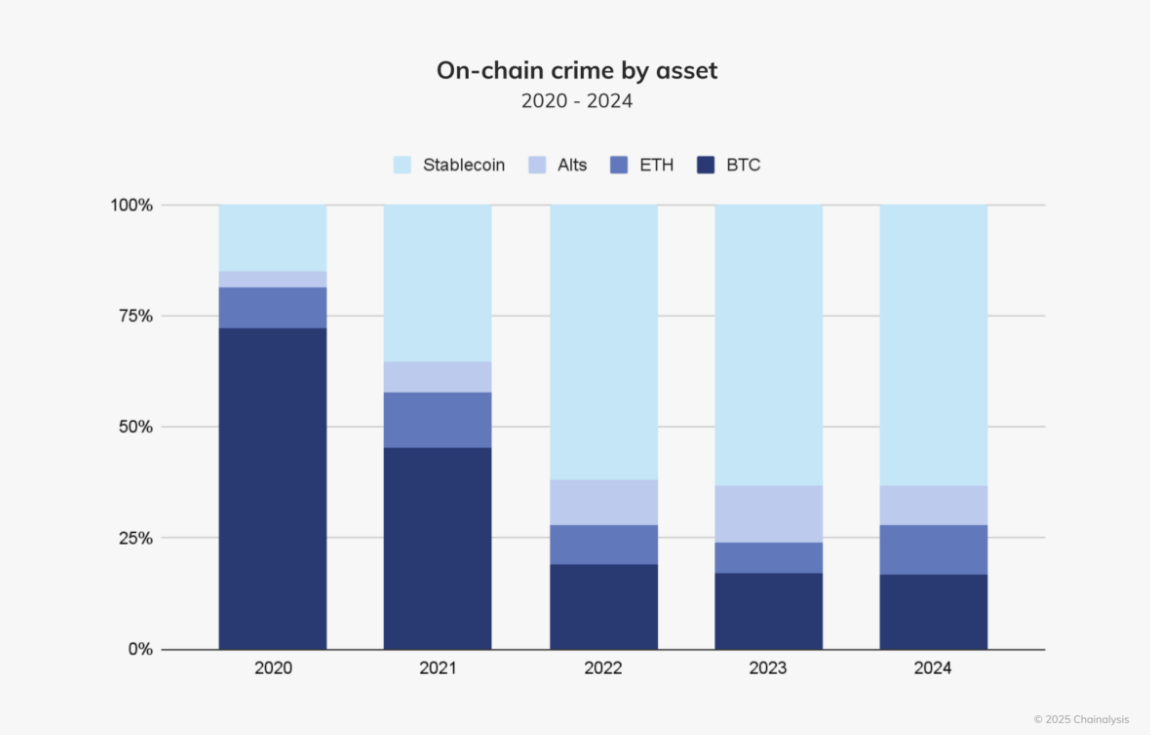
By virtue of its decentralized design and use of cryptography, blockchains are, in general, fairly secure. Once a block of data has been added to the chain and verified, it cannot be removed, and multiple blocks are always stored linearly (so it’s easy to check the ledger for systematic problems). Equally, the records stored in most blockchains are encrypted, so sensitive data is often difficult to access even when hacked. However, blockchain networks are more complicated. Despite the ledger technology itself being theoretically “impenetrable”, the network itself is not immune to cyberattacks and attempted fraud. Since their inception, there have been a number of different attacks on various blockchain networks.
Blockchain Attacks
Broadly speaking, there are four main types of cyberattack that blockchain networks are vulnerable to:
51% Attacks
A particularly processing-intensive and power-intensive cyberattack, a 51% attack is instigated by a group of “miners” (originally part of the network) who leverage their combined resources to control enough of the network’s mining power (more specifically, the network’s mining hash rate). In doing so, they effectively gain control of the ledger itself. Once they have control of the ledger, the rogue miners can manipulate the transactions on it to enact financial fraud. Private networks are not usually susceptible to this type of attack.
 Routing Attacks
A routing attack is very hard to spot because most of the attack happens behind the scenes. This attack involves intercepting data being transferred to your internet service provider, dividing the network, and targeting a certain chain between certain nodes. Essentially having created a kind of parallel chain, the attacker can then steal any currency or personal information from their targeted area.
Sybil Attacks
A Sybil attack involves a hacker using a node to create multiple fake identities or ‘Sybil identities’ to flood a network. This then allows them to carry out a 51% attack, see above, where they gain a 51% majority control of the network’s computing power: thereby giving the hacker a disproportionately large influence or presence in the network. Common in distributed systems, it undermines trust and integrity, prompting defense through identity verification and cryptographic protocols.
Phishing Attacks
A classic online scamming technique that many users should be well-acquainted with, phishing attacks on a blockchain network are not necessarily an attack on the network in the same way that the last 3 examples are. A blockchain phishing attack targets the members of the blockchain with phishing emails to attain their credentials, with the intention of stealing currency from their accounts.
As can be seen from the variety of threats above, cybersecurity best practices play an important role in blockchain security today.
Blockchain and Cybersecurity
The role of cybersecurity, or more precisely, data security in blockchain networks is integral to today’s publicly (and privately) used distributed ledger technologies.
CYBER SECURITY – DIGITAL FORENSICS SOLUTIONS
Computer forensics deals with locating data that was compromised during a cyberattack, while cyber security aims to prevent cyberattacks before they occur. To put it in other terms, computer forensics is a reactionary while cyber security is preventative.
Cybersecurity companies and professionals work to protect systems and data from threats by implementing security measures, monitoring for breaches, and responding to incidents as they occur. They focus on prevention, detection, and response to keep systems secure.
Digital Forensics companies and experts investigate cybercrimes and incidents to uncover what happened, how it happened, and who was involved. They gather and analyze digital evidence from computers, networks, and other devices, often for legal purposes.
Here’s a more detailed comparison:
| Feature | Digital Forensics | Cybersecurity |
| Primary Focus | Investigation and evidence gathering | Prevention, detection, and response to threats |
| Timing | Reactive (after an incident) | Proactive and reactive (before, during, and after an incident) |
| Goal | Understand past events, gather evidence | Protect current and future systems and data |
| Example Activities | Analyzing logs, recovering deleted files, identifying malware origins | Implementing firewalls, monitoring network traffic, patching vulnerabilities |
In essence, cybersecurity builds the walls, while digital forensics investigates what happened when those walls were breached. They often work together, with information from forensic investigations helping cybersecurity professionals improve their defenses.
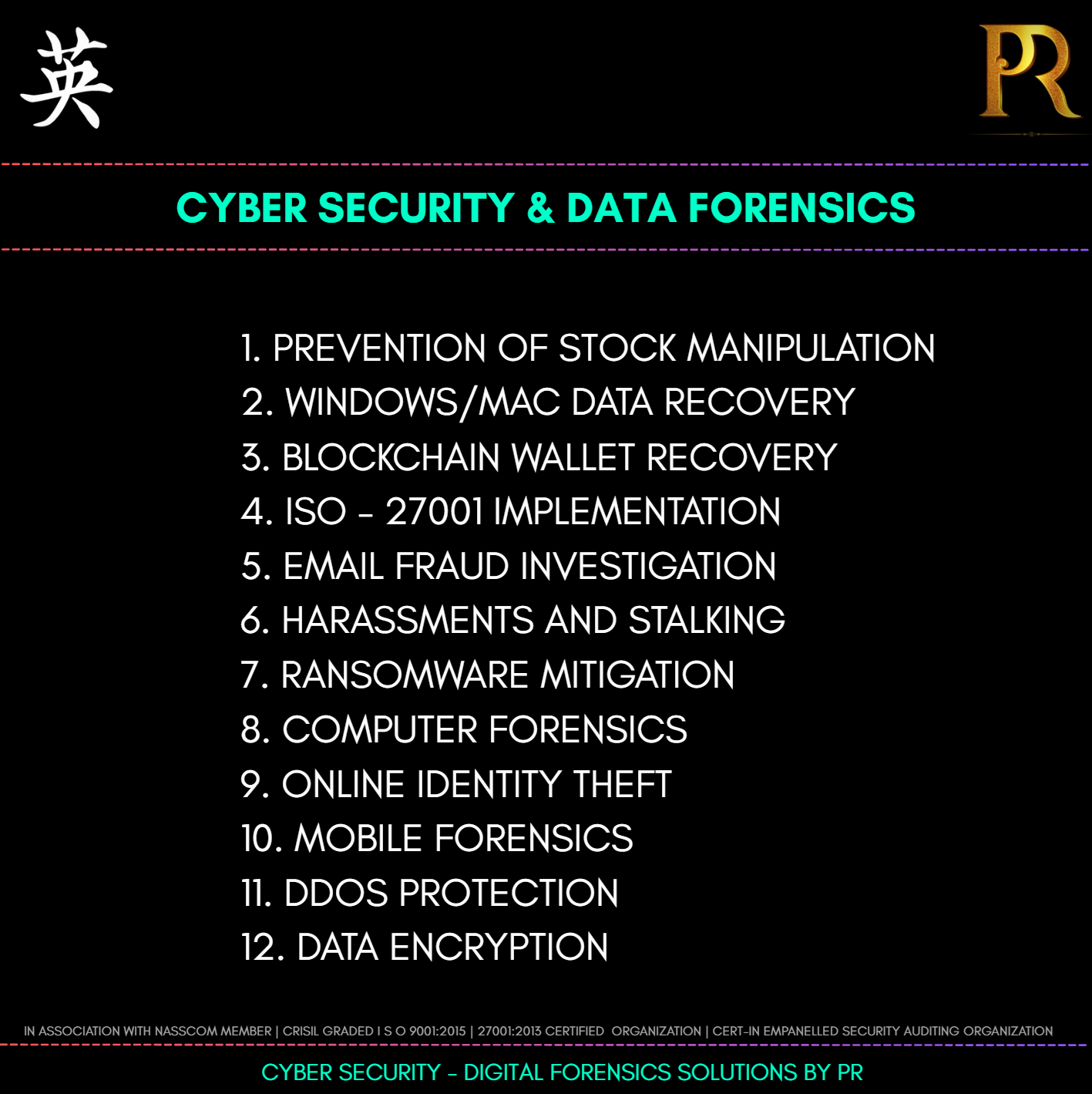
Key Services offered:
- Prevention of Stock Manipulation
- Windows/Mac Data Recovery
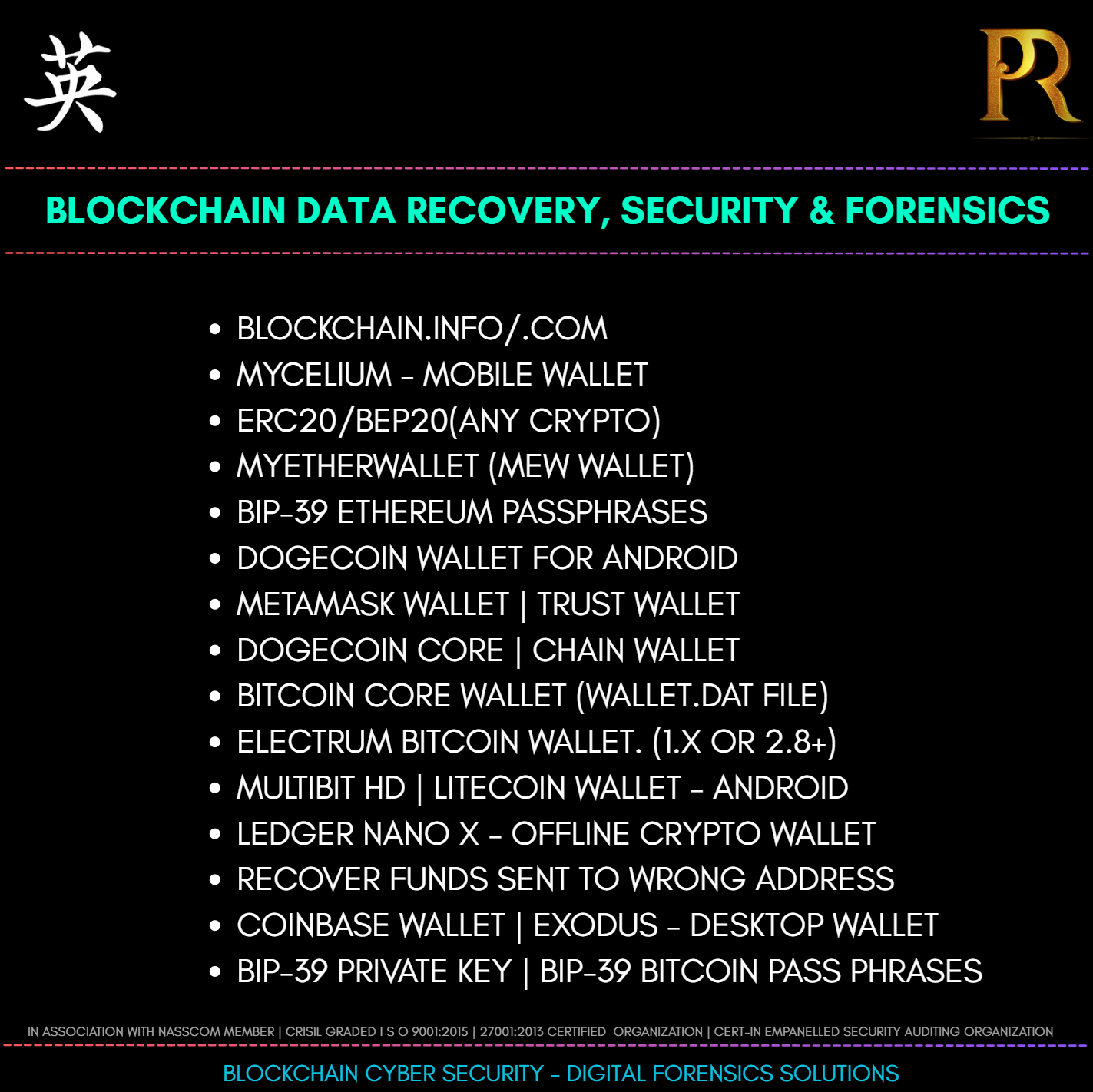
- Blockchain Wallet Recovery
- ISO 27001 Implementation
- Email Fraud Investigation
- Harassments and Stalking
- Ransomware Mitigation
- Computer Forensics
- Online Identity Theft
- Mobile Forensics
- DDOS Protection
- Data Encryption
Cyber Forensics Services
Malware Analysis/Data Recovery/Incidence Response/Risk Assessment
Vulnerability Assessment & Penetration Testing (VAPT) for entire Network (Internal / External)
Cyber Security Awareness
Training for Employees
Cyber Security Training Courses
Certified Information Security and Ethical Hacker (CISEH)
Certified Cyber Expert and Investigator (CCEI)
Certified Penetration Testing Expert (CPTE)
GDPR — Certified Data Protection Officer

Hire Professional Ethical Hackers | Cyber Security Experts | Investigators | Data Forensics Experts | Dubai | India | Saudi Arabia | UAE | Abu Dhabi | Singapore
Connect at info@piyushratnu.com | +971-561621069
For quicker Response, CONNECT HERE.